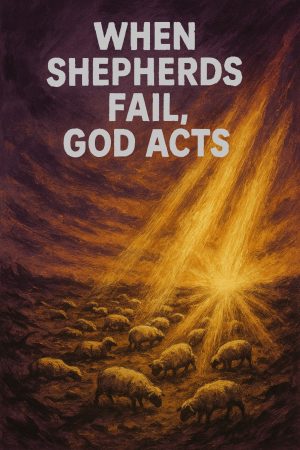
When Shepherds Fail, God Acts
“Woe to the shepherds who destroy and scatter the sheep!” Jeremiah’s opening salvo isn’t polite. It’s prophetic fury aimed at leaders who have used their power to scatter, destroy, and neglect the vulnerable entrusted to their care.
We’ve watched this pattern repeat across history. In apartheid South Africa, church leaders used Scripture itself to legitimise oppression. The Windrush scandal saw decades-long residents suddenly declared illegal and deported. The Horizon scandal destroyed innocent postmasters while those who knew the system was flawed protected their own interests. And through it all, where was the prophetic voice of the church?
But here’s where both Jeremiah and Luke’s Benedictus announce something radical: God takes the initiative, “I myself will gather the remnant of my flock.” Not the failed shepherds. God acts. And if God, then Jesus. If Jesus, then the body of Christ. If the body of Christ -well, that means us.
This divine initiative doesn’t mean our passivity. Zechariah’s song connects God’s salvation to covenant, and covenant is gospel relationship, mutual commitment and how we live together. Our Wesleyan tradition insists you cannot separate personal holiness from social holiness. You cannot love God while ignoring your neighbour’s suffering. You cannot pursue private piety while accepting public injustice.
When Jeremiah promises God will “execute justice and righteousness in the land,” that Hebrew word sedaqah doesn’t mean correct doctrine. It means right relationships. Economic justice. Systemic equity. Everyone living secure. This isn’t abstract theology. It is freedom. It is people having enough to eat, safe and sheltered. It means that we cannot hide behind vague language about “loving everyone” while avoiding the particular challenges of being loving towards everyone.
For churches wondering about the future, these texts demand harder questions: Have we been faithful shepherds of our communities, or focused on institutional survival? Have we integrated holiness and righteousness, or settled for private piety disconnected from public justice?
But these texts won’t let us despair. Because God is already gathering the scattered, bringing light to those in darkness, guiding feet into the way of peace. The new dawn is breaking into the world. We can sit in darkness complaining it’s not bright enough, or step into the light already here and let it guide our feet.
That’s the choice. That’s the Advent hope that transforms everything.
#AdventHope #PropheticFaith #SocialHoliness
#RCLProper 29 (34) #67C
#Jeremiah2 #Luke1
Leave a Reply